

Starting a new job can feel both exciting and overwhelming. With so much to learn—including company policies, processes, workplace culture, and expectations—a well-structured job onboarding experience is crucial for every new joiner. Whether you’re stepping into your first professional position or transitioning to a new company, understanding the essential onboarding steps will help you become a valuable part of your team quickly and smoothly.
You will most likely have an onboarding plan from your HR team, but here is how to navigate it from an authentic self-perspective. An early personal brand assessment, paired with organizational onboarding steps, helps you build confidence, visibility, and influence from the start of your new role, showcasing yourself as a valuable team member from day one. Research, for example, as seen in the study by Cable et al. (2013), shows that focusing your efforts on building a personal brand from the start not only benefits the company but also helps you thrive in the long term.
Understand the Onboarding Process and Its Purpose
The onboarding process is designed to guide new employees from the moment they accept a job offer through their first weeks and months at the company. Its purpose is not just administrative—it’s about integrating new joiners into the organization’s culture, teaching them necessary skills, clarifying expectations, and setting them up for long-term success. Typically, onboarding includes orientation sessions, introductions, training modules, and meetings to help you settle comfortably.
Many companies structure onboarding to last anywhere from a few days to a few months. The onboarding duration depends on the complexity of the job, industry practices, and company policies. For most entry-level roles, onboarding may take about 2–4 weeks. For specialized roles, it may extend to 3 months or even longer. As a new joiner, clarify the onboarding plan and timeline with your manager so you know what to expect and how you’ll be supported.
A common concern for new joiners is pay during onboarding. Typically, employees receive their regular salary starting from their first official workday, which includes onboarding activities. If there are unpaid elements or a probationary period, your HR team should clarify these during the job offer process. Don’t hesitate to ask about starting pay dates, probation terms, and other compensation-related details.
A structured job onboarding plan typically includes:
Introduction sessions with leadership and team members.
Training programs (technical, systems, process training).
Company culture orientation, including values, mission, and expectations.
HR and administrative setup, covering payroll, benefits, and compliance.
Check-ins and feedback sessions.
Take ownership of your onboarding by actively participating, completing assigned training, reading company documentation, and seeking clarification if needed.
Why Personal Brand Matters—Right From Day One
When you join a new company, you bring unique strengths, perspectives, and experiences. Personal brand assessment is your chance to clarify what makes you special, where you want to grow, and how you want to be seen by colleagues and leaders. Here are three advantages of focusing on personal brand from day one on the job:
- You fuel your career clarity and growth
- You become visible for your real strengths, not just your job title
- You gain confidence at work and start building genuine influence early
Studies have found that new employees who participate in personal brand exercises—like sharing life highlights or creating a personal logo—feel more connected, more authentic, and are more likely to stay engaged at work.
Use it in practice
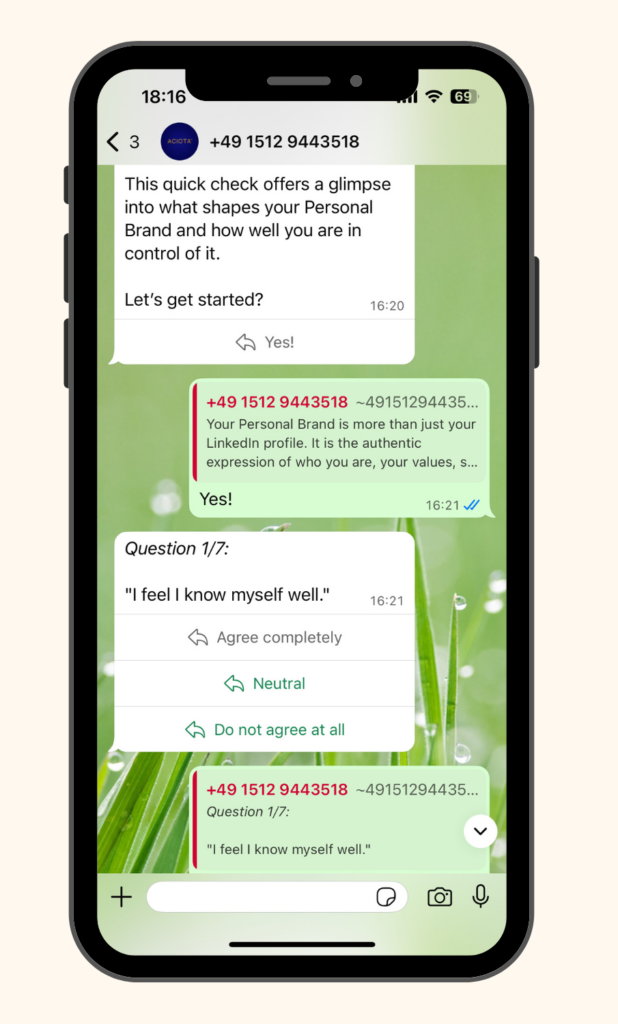
The ACIOTA™ Personal Brand Assessment helps you bring together all essential personal branding considerations in one place. After receiving your report, take time to reflect on your strengths and passions. For example, try listing your career highlights or describing your best day at work. Use these insights to craft compelling stories to share when meeting new colleagues and express what excites you about your new role. Draft a concise personal brand statement—this tool is valuable not only for executives but for anyone aiming to advance their career. Naturally integrate your personal brand statement during introductions to reinforce your professional identity.
Your Personal Style and Your Company Policy
First impressions play a crucial role as you begin your new job. Before your onboarding day, make sure to review your company’s dress code policy thoroughly; you can usually find this information in your welcome email, employee handbook, or the company’s intranet. If you are unable to locate any specific guidelines, it’s safest to choose business casual attire. This strikes a balance between looking professional and feeling comfortable while also allowing you flexibility to adjust later. It is much easier to dress down in the future than to try to dress up after a very casual first impression. Dressing appropriately signals that you respect the company’s culture and are serious about your professional role.
Nevertheless, don’t entirely suppress your personal style—it’s an important aspect of your individual brand. For example, if you enjoy wearing bright colors or unique accessories, find tasteful ways to incorporate them into your outfit. Expressing personality within appropriate company parameters can help you feel confident and memorable. If you’re uncertain about what’s acceptable, don’t hesitate to contact HR or your manager in advance, or simply observe what colleagues wear during your first few days. This will help you refine your wardrobe choices as you settle into your new role.
Practice Executive Presence & Leadership Identity as a New Joiner
Yes, you can position yourself as a leader from day one. Building executive presence is a journey that goes beyond simply looking or sounding authoritative. It’s about cultivating a reputation for reliability, forward thinking, and a positive influence. And when is not the right time than the day one?
Here are your ways to start building executive presence from your very first days:
- Show Up with Confidence, Clarity, and Credibility. Don’t worry about knowing all the answers right away. What matters is that you approach each day with preparation and genuine curiosity. Speak honestly, communicate your points clearly, and follow through on your promises. People notice when you’re reliable and sincere.
- Remember: Leadership Takes Time. Your leadership identity grows with every interaction—whether that’s in meetings, emails, or casual catch-ups. Focus on being consistent, ethical, and transparent. Trust builds over time, so treat every decision, big or small, as a chance to show your values and commitment.
- Take Initiative and Step Forward. Look for opportunities to contribute. This could mean volunteering for a new task, offering to help a teammate, or sharing your thoughts in group discussions. However, don’t overdo it – taking on too much can jeopardize your main tasks and lead to engaging in numerous non-promotable activities. When you step up, you show that you care about your team’s success—not just your own.
- Practice Strategic Thinking. Think about how your work connects to bigger goals. Ask questions like “How does this fit into our company’s mission?” and look for ways to improve. By thinking ahead and seeing patterns, you help the team solve problems and reach new milestones.
- Build Trust through Authentic Communication. Be open, helpful, and supportive. Give feedback kindly, share what you’re learning, and celebrate both your own and your teammates’ wins. People are drawn to leaders who make them feel valued and included.
Executive presence is all about the small, thoughtful choices you make each day. As you begin your journey in a new company, remember that every action and interaction helps shape your leadership path.
Your Growth Toolkit for Visibility and Impact on a New Job
Your corporate onboarding will help you settle in, but to foster self-awareness about your unique strengths and areas for growth, laying a strong foundation for your future leadership, is a matter to be taken into your own hands. Here are some key ways to make it happen:
- Proactively seek feedback. Don’t hesitate to ask your manager or colleagues for their input as you get started. Early feedback will help you understand how you’re perceived, guide your development, and shape your professional reputation.
- Set clear, achievable goals for your first 90 days. These goals could involve learning new skills or tools, forming connections with potential mentors and sponsors, team members, or even contributing ideas and presenting at meetings. Focus on what feels challenging but attainable, and review your progress regularly.
- Share and celebrate small wins. Even modest contributions matter. Whether it’s a successful team collaboration, a project milestone, or learning something new—sharing these moments in team chats, through internal newsletters, or even on LinkedIn can boost your visibility and morale.
Remember, your growth starts from day one. Embrace opportunities, stay curious, and don’t shy away from the spotlight—every step you take now helps pave the way for your future success here.
First 90-Day Strategy Guide for New Joiners
This step-by-step onboarding plan is designed to help you understand your environment and start adding value from day one. Here’s how you can practically approach each phase:
Weeks 0–2: Discover and Assess Your Brand
- Take a Personal Brand Assessment and another other Personality Assessments of your choice (check out their differences here): Use ACIOTA™ for your brand, and CliftonStrengths, VIA Character Strengths, or free online quizzes to identify your top strengths.
- Craft and Share Your Story: Prepare a 1-2 minute introduction for team meetings. Include your background, unique skills, and a personal or professional achievement.
- Action tip: Record yourself and practice so you’re concise and clear.
- Observe Culture and Dynamics: Take notes during meetings—what behaviors are encouraged? What communication style do people use? Reflect on how it aligns with your communication style and what you can do to address it.
Weeks 2–4: Build Confidence and Visibility
- Schedule Short Intros: Set up 15-minute coffee chats (in-person or virtual) with 5–8 colleagues and at least one team leader. Prepare 2-3 thoughtful questions (e.g., “What do you enjoy most about the team?” or “Any advice for a new joiner?”)
- Maintain a ‘Win Journal’: At the end of each day, jot down a quick win, a compliment received, or something you learned. Once a week, review and share an insight with your manager.
- Participate in Team Activities: Volunteer to help organize a lunch, attend social hours, or assist in onboarding another newcomer.
Weeks 4–8: Grow Influence and Credibility
- Lead a Micro-Project: Identify several small wins and start acting on them to deliver on time. A short-term project is the best approach here, as you can quickly showcase your reliability and leadership skills. However, ensure that you select the one with the most visibility, such as a company-wide event, a launch, or a small reorganization. The goal here is to gain visibility in front of many people and those with influence.
- Volunteer for Cross-Team Activities: Offer to help with interdepartmental initiatives or pitch ideas for improvement. This expands your network and demonstrates initiative. However, do not be too pushy on cross-functional initiatives until you are clear on your own function priorities, as you might run into uncharted territory!
- Request Feedback Regularly: After project milestones, ask your manager and others involved: “What went well?” and “How could I improve next time?”
Weeks 8–12: Shape Leadership Mindset
- Set SMART Goals: Define 2–3 longer goals with your manager that tie your interests to team objectives (e.g., “Automate a reporting task”). It would be ideal if the deadline for this project is beyond your probation period, so it would be just natural for you to stay and continue with the company.
- Ask for Leadership Feedback: Schedule 1:1s with your manager or a mentor to discuss how others perceive your work style and leadership qualities.
- Organize a Progress Check-In: Host a brief meeting or send a summary email to key stakeholders, outlining your wins, lessons learned, and plans for the next quarter. Invite thoughts or advice.
Bonus Tips:
- Keep a running list of questions about the organization, and set aside time weekly to seek answers.
- Check in weekly with yourself: “How am I growing my visibility at work? What feedback have I received?”
- Don’t be afraid to propose improvements—even small suggestions show you’re engaged and thinking ahead.
Don’t just integrate but also start to shine and lead within your first 90 days!
In Onboarding, Your Personal Brand is Your Biggest Asset
Your personal brand is your biggest asset—in onboarding, and throughout your career. By taking these steps, you’ll kickstart your journey to executive presence, career empowerment, and lasting visibility. Friendly and strategic onboarding, grounded in personal brand assessment, sets you up for confidence, clarity, and professional success.