

The Complexity of Authenticity at Work
In the evolving world of work, the call to “be yourself” has become a common mantra promising fulfillment, creativity, and meaningful connections. However, research reveals a nuanced truth: authenticity at work is not simply about unwaveringly presenting one’s genuine self. Instead, it requires a delicate balance between authenticity and adaptability within social and professional contexts. To build a personal brand that prioritizes professional growth through authenticity and builds strong workplace relationships, it is critical to understand how this balance creates trust, effectiveness, and positive relationships.
Why Authenticity Alone Isn’t Enough
Authenticity at work typically means showing up as your authentic self—bringing your values, personality, and unique strengths to the workplace. It fosters psychological safety where individuals feel secure to express opinions, learn from mistakes, and contribute distinct perspectives. Authenticity at work correlates with higher job satisfaction, innovation, well-being, and stronger interpersonal bonds when appropriately aligned with organizational culture and social dynamics.
Balancing Authenticity and Adaptability
The professional arena often demands adaptability—the skill to adjust behavior and communication in ways that fit the social environment and organizational goals. Here lies the complexity: Karelaia et al. (2021) found that when employees with low social identification (those who feel less connected to their workgroup or organization) act too authentically in rigid professional contexts, they encounter increased relationship conflicts and decreased task performance. This suggests that authenticity, without situational adaptation, can backfire, undermining workplace harmony and effectiveness.
Hence, authentic behavior in the workplace is context-dependent. Professionals must gauge when and how to adapt their true selves to align with the social fabric of the organization—without losing their core identity. This adaptive authenticity strengthens personal branding, fostering trust and authority by demonstrating both self-awareness and social insight.
How to Build Trust with Adaptive Authenticity
Practically, how can individuals and leaders nurture authentic adaptability in the workplace?
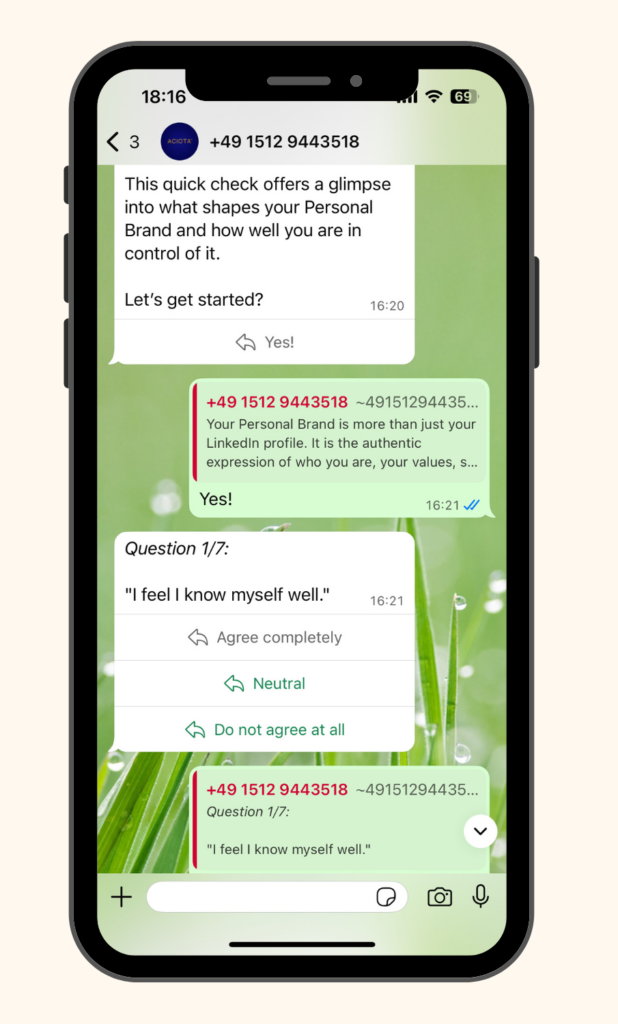
Reflect on Core Values and Strengths Understanding what truly drives you—your values and strengths—lays the foundation of authentic behavior. Consistently bringing these forward creates alignment between who you are and what you contribute at work. ACIOTATM Personal brand assessment can help professionals identify these core elements to shape their work persona intentionally.
Cultivate Social Awareness and Contextual Sensitivity Being authentic does not mean total transparency in every situation. Instead, it requires an awareness of the social context, including the norms, expectations, and prevailing culture. This awareness guides when vulnerability or openness is beneficial and when strategic restraint or modification of expression will better serve professional relationships.
Develop Flexibility as a Strength Adaptability should be viewed not as compromising authenticity but as expanding the range of authentic expression. It’s about being genuine while adjusting mannerisms, language, and behavior to foster collaboration, reduce conflicts, and enhance influence.
Leaders who openly model balanced authenticity—sharing their values but also demonstrating empathy and strategic communication—set a tone that empowers others.
Thriving as Your Most Effective Self
The modern professional landscape calls for a sophisticated blend of authenticity and adaptability. Leveraging authenticity at work through an adaptive lens is key to building a trustworthy, influential personal brand and achieving success in complex social networks. This approach respects individuality while honoring the realities of workplace dynamics, helping you thrive as your best, most effective self.