

If you’ve ever wondered why some people rise quickly at work while others—equally talented—plateau, you’re not alone. In essence, it is a combination of various factors: what you know, who knows you, and what people believe about you.
This belief system—your professional reputation—is built through two different, sometimes conflicting, forces:
- Popularity: being liked, connected, and socially central
- Credibility: being trusted, respected, and seen as competent
Both matter, but they do very different things for your career.
This article delves deeply into the research, encompassing social network studies, leadership experiments, gossip analysis, and performance appraisal science. It provides a comprehensive roadmap for understanding how credibility and popularity intersect—and how to cultivate both intentionally.
Advantages and Pitfalls of Popularity
Popularity in the workplace is often misunderstood. We tend to think of it as being friendly, charismatic, or socially gifted—but popularity is far more complex, strategic, and consequential than that. In organizations, popularity is all about network position. It is about where you sit in the social fabric of the workplace, how people connect around you, and how easily information, emotions, and influence travel through you. In other words, popularity is a structural asset that can significantly shape your career—sometimes positively, sometimes dangerously.
At its core, popularity arises from social centrality—being someone others talk to, rely on, and look toward. Research on organizational gossip illustrates this vividly. Employees who are heavily involved in workplace gossip, whether positive or negative, become more visible and more influential among their peers, for better or worse. They are seen as informal hubs—the ones who know what’s happening, the ones who help information flow, the ones whose opinions shape the room. Yet while peers sometimes elevate these individuals, supervisors or others feel that gossiping signals distraction or unprofessionalism.
This paradox reveals one of the most important nuances of popularity: it elevates horizontal influence while often undermining vertical credibility.
Popularity becomes even more consequential when managers lack clear data about someone’s competence. In those uncertain spaces—new employees, early-career professionals, people shifting roles or teams—leaders rely on signals. One of the strongest of those signals is social connectedness. Research shows that when competence is ambiguous, managers delegate more to employees who appear socially central or embedded in friendship networks. Popularity acts as a heuristic—if everyone seems to trust and involve this person, they must be capable.
But this effect disappears once competence is obvious. When you are clearly great—or clearly poor—popularity no longer matters. It is only in the gray areas where popularity becomes a decisive advantage.
It also shapes performance evaluations in subtler ways. Supervisors sometimes unconsciously inflate the performance ratings of socially central employees—believing that visibility, involvement, and connectedness reflect competence. This is the halo effect at work.
Popularity may create the illusion of capability and provide access to information, resources, collaboration, and goodwill. But popularity alone cannot sustain leadership. Experimental research on credibility shows that leaders who misuse their influence, exaggerate, or act in self-serving ways lose trust dramatically—and quickly. Once their credibility collapses, their popularity no longer helps them persuade or coordinate others. A single breach of integrity can undo years of relational capital.
Nuances of Popularity
Popularity is context-specific. You may be extremely popular within your immediate team, but invisible to executives. You may be beloved in social settings but unknown in cross-functional work. You may be highly respected in technical communities but disconnected from organizational decision-makers. Popularity is not a universal asset; it depends on which network you inhabit and which network matters. Many professionals misjudge their popularity simply because they are measuring it in the wrong ecosystem.
What often surprises people is that popularity is buildable. It is not a personality trait—it is a pattern of behavior and network engagement. Positive gossip (the praising, uplifting kind) actually increases informal influence. Small acts of generosity, being a connector between people, sharing knowledge, showing reliability, and being emotionally consistent all strengthen social centrality. Popularity built ethically is simply relational leadership without a formal title. It is a quiet, steady accumulation of trust, familiarity, and psychological safety with others.
The nuanced reality is this: popularity is a tool, not a goal. It can accelerate your early career, amplify your personal brand, and extend your influence. But it can also distort perceptions, create tensions with supervisors, and fail you when the stakes are high. Used strategically and ethically, popularity supports leadership identity, strengthens workplace relationships, and enhances visibility. But without credibility, popularity is noise.
What Is Professional Credibility
Professional credibility is the degree to which others, and most importantly, in the same way as with overall reputation, in consensus, see you as competent, reliable, consistent, and trustworthy. When colleagues, clients, or leaders believe that someone will deliver on promises and act ethically, that individual’s value multiplies. This trust becomes a career multiplier—people recommend, rely on, and follow those with proven credibility. It’s the foundation of career branding and one of the strongest predictors of long-term success.
Leaders who are trusted, even if not universally popular, maintain influence because their track record speaks for itself. For example, a finance manager who consistently delivers accurate reports, communicates transparently about risks, and takes responsibility for mistakes builds credibility that inspires confidence in their decisions. This trust is what allows leaders to inspire, persuade, and influence others—not because they are the most visible person in the room, but because their actions are dependable and aligned with organizational values. Such a reputation is built over many months and even years, and it requires underlying personal values of dependability and precision.
Credibility answers questions people rarely say out loud but think constantly:
- Do I trust you to deliver?
- Do I feel confident putting your name on something?
- Do I believe your judgment?
- Would I follow your lead?
While popularity makes people comfortable with you, credibility makes people confident in you. Credibility is the backbone of your:
- Workplace reputation
- Leadership visibility
- Executive presence
- Ability to influence decisions
- Opportunity access
Even your personal brand—online and offline—depends on credibility. A personal brand without credibility is just aesthetics and a set of social media posts.
Popularity vs. Credibility
Popularity, at its core, is about being known and liked. It often comes from being friendly, approachable, helpful, or simply well-networked. It’s fueled by:
- Social visibility
- Friendships
- Participation in informal networks
- Emotional intelligence
- Group belonging
Credibility, on the other hand, is rooted in competence and consistency. It comes from:
- Delivering excellent work
- Showing good judgment
- Communicating with clarity
- Being honest and transparent
- Making decisions aligned with values
The halo effect complicates the relationship between popularity and credibility. The halo effect refers to the tendency to let one positive trait—such as being friendly or charismatic—color perceptions of all other traits. In the workplace, this can lead to unfair differences in how employees are treated. This is why popular people are often assumed to be capable—until evidence says otherwise.
But once real performance is revealed, credibility becomes a stronger force.
Popularity and Professional Growth
Although popularity can give a career an early boost, research is adamant: it cannot sustain leadership credibility over time.
Here’s why.
- Leaders eventually get real performance data. Managers initially rely on social signals (e.g., “everyone likes this person”), but once competence becomes evident, popularity stops being relevant.
- Peer influence does not equal leadership trust. You can be beloved by peers yet still be seen as unqualified by leaders. This shows up in the gossip research: frequent gossipers gain social influence but lose supervisor trust.
- Popularity leads to overexposure. Being well-connected increases scrutiny. Popular individuals may be overcredited when things go well—and overblamed when things don’t.
- Trust can be broken quickly. Leadership credibility is volatile. In experimental studies, leaders who provided self-serving or inaccurate advice lost long-term influence, even if they had been previously trusted. Once trust was gone, people stopped following their recommendations.
Popularity makes people listen to you once. Credibility makes them keep listening.
How to Build and Maintain Professional Credibility
Credibility is not mysterious. It’s built through consistent behaviors repeated over time. For example, a leader who communicates transparently about challenges and roadblocks, rather than hiding or deflecting responsibility, builds credibility that inspires confidence in their decisions. This trust is what allows leaders to inspire, persuade, and influence others—not because they are the most visible person in the room, but because their actions are dependable and aligned with organizational values.
Here are the five pillars of credibility:
- Competence. Demonstrate mastery, continue learning, and convey your expertise through your work, not just words.
- Consistency. Become predictable in your outputs, deliver on time, follow through, and keep your word.
- Clarity. Make things understandable; clarity signals intelligence, confidence, and leadership communication skills.
- Character. Project honesty, ethics, and fairness to form the core of leadership credibility.
One of the strongest insights from leadership experiments is that leaders who communicate honestly and conservatively, even when it costs them in the short term, build powerful social credibility.
- Connectedness. Build strong internal and external ties to inspire better group performance and earn a stronger reputation.
Credibility is built in micro-interactions, day after day.
Communication doesn’t just express credibility—it creates it.
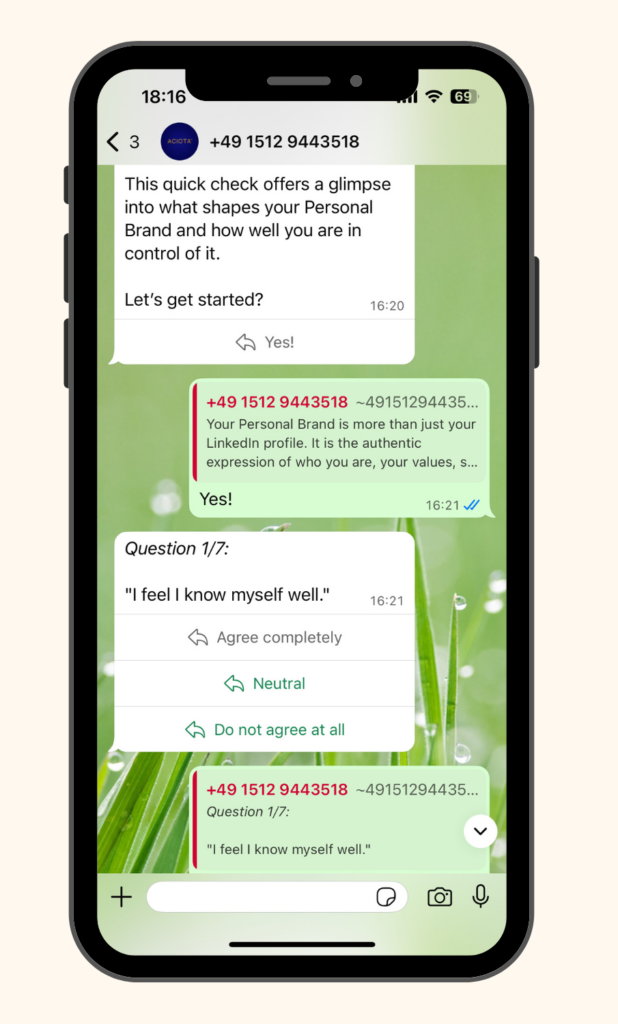
How Personal Brand Assessment Strengthens Credibility
A personal brand assessment is the bridge between how you see yourself and how others experience you. It helps professionals understand:
- The gap between intention and perception
- How credible their personal brand currently is
- Strengths they can amplify
- Reputation risks they must manage
- Whether popularity and credibility are balanced
When you evaluate yourself through a structured lens—such as authenticity, self-presentation, adaptability, and human capital—you can intentionally shape your career branding and leadership identity. This is where strategic personal brand building begins.
Influence, Likability, and Trust: Popularity and Credibility in Action
Leadership influence rests on three interconnected forces:
- Likability (opens doors). People listen to those they like.
- Trust (keeps you in the room). People follow those they trust.
- Credibility (sustains leadership). People rely on those who consistently deliver.
Influence grows when these three forces align. Your leadership identity emerges when they reinforce one another, shaping how colleagues perceive your potential, capability, and presence.
Without credibility, popularity is noise. Without popularity, credibility is invisible. Together, when cultivated intentionally, they form the foundation of a powerful, influential personal brand—one that people trust, follow, and remember.